

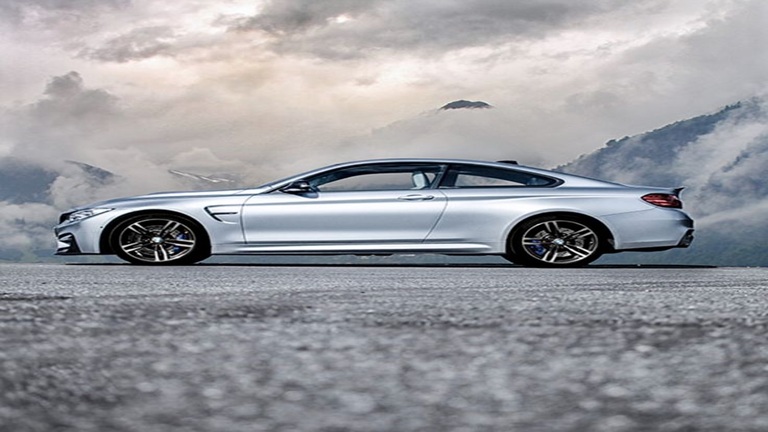
Artificial Intelligence is no longer an experimental add-on in visual effects—it is rapidly becoming a core component of the modern VFX pipeline. From automating time-intensive tasks to enabling creative possibilities that were previously impractical, AI in VFX is reshaping how studios plan, produce, and deliver high-quality visuals at scale.
At studios like Night Wolves Studio, where photorealism, speed, and cinematic precision are critical—especially for automotive CGI and brand storytelling—AI is accelerating workflows without compromising creative intent.
This article breaks down how AI is transforming each stage of the VFX pipeline, the real benefits of VFX automation, and what this shift means for the future of visual storytelling.
The Traditional VFX Pipeline: Where Bottlenecks Exist
A standard VFX pipeline within any professional VFX Studio typically includes:
- Pre-visualization and concept development
- Asset creation (models, textures, environments)
- Animation and simulation
- Lighting, rendering, and compositing
- Final polish and delivery
While these stages define core VFX services, they have traditionally relied on heavy manual effort—leading to longer timelines and higher production costs. AI-driven VFX automation is now removing these bottlenecks.
1. AI in Pre-Production: Smarter Planning & Faster Previs
AI tools are increasingly used during pre-production and previs to:
- Generate concept variations using generative models
- Assist in shot planning and camera blocking
- Analyze scripts to predict VFX complexity and cost
- Create rapid animatics for creative alignment
For automotive and commercial projects, this means faster client approvals, fewer revisions later in the pipeline, and clearer creative direction from day one.
2. Asset Creation: AI-Assisted Modeling & Texturing
One of the biggest impacts of AI in VFX is in asset creation:
AI-Driven Capabilities
- Procedural texture generation from minimal inputs
- AI-assisted UV unwrapping and material mapping
- Rapid environment and prop generation
- Upscaling and detail enhancement of existing assets
At Night Wolves Studio, where photorealistic automotive CGI demands extreme surface accuracy—paint shaders, reflections, micro-details—AI tools help artists focus on refinement rather than repetition.
3. VFX Automation in Rotoscoping, Tracking & Cleanup
Traditionally, rotoscoping and match-moving were among the most labor-intensive VFX tasks. AI has fundamentally changed this.
What AI Automates:
- Object and character isolation
- Camera tracking and scene reconstruction
- Plate cleanup and wire removal
- Background replacement and masking
Modern AI-powered tools can reduce rotoscoping time from days to hours, improving turnaround times while maintaining high precision—especially crucial for commercial and automotive advertising timelines.
4. AI in Animation & Simulation
AI is not replacing animators—but it is enhancing animation intelligence.
Key Applications:
- Motion prediction and interpolation
- Physics-aware simulations for cloth, smoke, dust, and debris
- Real-time previews of complex simulations
- Intelligent rigging assistance
For high-speed automotive shots—tire smoke, dust trails, aerodynamic effects—AI allows teams to iterate faster and simulate more realistically, without excessive compute overhead.
5. Lighting, Rendering & Look Development
AI is increasingly influencing how scenes are lit and rendered:
- AI-based denoising reduces render times dramatically
- Intelligent light suggestions based on scene context
- Automated exposure and color balancing
- Faster look-dev iterations using trained style models
This enables studios like Night Wolves Studio to deliver cinematic, high-contrast visuals while optimizing render budgets—especially important for global campaigns with multiple deliverables.
6. AI in Compositing & Post-Production
Compositing is another area where VFX automation is delivering major gains:
- AI-assisted keying and matte refinement
- Seamless CG-to-live-action integration
- Automated color matching and grain consistency
- Smart versioning and shot comparison
The result is cleaner composites, fewer artifacts, and faster final approvals, even on complex multi-layer shots.
7. What AI Does Not Replace: Creative Judgment
Despite its power, AI does not replace:
- Creative direction
- Visual storytelling instincts
- Brand-specific aesthetics
- Cinematic decision-making
At Night Wolves Studio, AI is treated as a creative accelerator, not a shortcut. Human artists still define mood, emotion, realism, and narrative—AI simply removes friction from the process.
The Business Impact: Why AI Matters for VFX Studios
Key Advantages:
- Faster production timelines
- Reduced operational costs
- Greater scalability for global projects
- Higher consistency across campaigns
- More room for creative experimentation
For clients, this translates to better visuals, faster delivery, and higher ROI.
What to Expect When You Hire a VFX Studio for Your Car Commercial
As AI-driven workflows become standard across high-end VFX services, clients—especially automotive brands—can expect faster turnarounds, higher visual consistency, and more predictable production outcomes when partnering with a modern, AI-enabled VFX studio.
The Future of AI in VFX
Looking ahead, AI will continue to evolve toward:
- Fully AI-assisted virtual production workflows
- Real-time CGI for advertising and automotive launches
- Smarter collaboration between humans and machines
- Predictive creative tools for pre-production
Studios that adopt AI early—without losing creative control—will lead the next phase of the VFX industry.
Final Thoughts
AI in VFX is not a trend—it’s a structural shift.
From previs to final composite, VFX automation is redefining speed, efficiency, and creative freedom.
At Night Wolves Studio, AI is seamlessly integrated into a high-end CGI and VFX pipeline to deliver photorealistic automotive visuals, cinematic brand films, and future-ready production workflows for global clients.
The future of VFX belongs to studios that combine human creativity with machine intelligence—and that future is already here.