

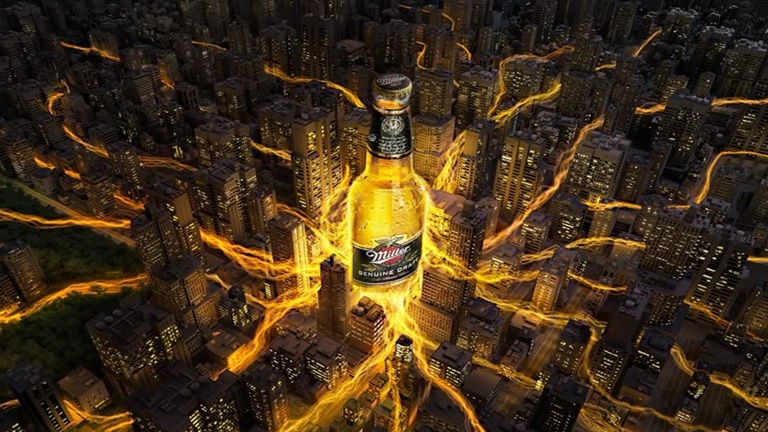
The landscape of Alcohol Beverage Advertising for USA Brands is evolving rapidly. With tightening regulations, rising production costs, and the demand for visually arresting campaigns, brands are rethinking how they produce high-impact content. Increasingly, companies are embracing CGI in alcohol advertising to create immersive, cinematic brand experiences that go far beyond what traditional shoots can achieve.
The Limitations of Traditional Alcohol Shoots
Conventional alcohol advertising relies heavily on physical sets, live-action cinematography, stylized lighting, and complex logistics. While practical shoots deliver authenticity, they also present challenges:
- Fragile glass bottle handling
- Liquid simulation constraints
- Label reflections and condensation control
- High studio and location costs
- Limited creative flexibility in post-production
For premium and luxury alcohol brands, visual precision is non-negotiable. Every highlight, droplet, and reflection must communicate craftsmanship. Achieving this level of perfection practically can be time-consuming and expensive.
The Rise of Alcohol Beverage CGI
This is where alcohol beverage CGI fundamentally transforms production strategy. By partnering with a specialized 3d rendering agency, brands gain access to photorealistic modeling, advanced liquid simulations, and controlled lighting environments that ensure flawless execution.
Using 3D bottle rendering for advertising, studios can:
- Design flawless glass shaders and liquid simulations
- Control lighting and reflections at a pixel level
- Showcase intricate embossing and label textures
- Create dramatic slow-motion pour sequences
- Visualize impossible environments and premium atmospheres
CGI eliminates physical limitations while enhancing visual storytelling.
Cinematic Storytelling Without Boundaries
Modern consumers expect more than static product shots. They want immersive narratives. Through cinematic alcohol product films, brands can position their product as an experience rather than just a beverage.
Imagine a whisky bottle emerging from molten gold, a vodka bottle forming from crystalline ice, or a craft beer suspended in a gravity-defying pour. These visuals, while nearly impossible or prohibitively expensive in real life, are seamlessly achievable through CGI.
High-end CGI allows creative teams to craft mood, texture, and environment with total control—ensuring brand consistency across global campaigns.
Faster Product Launches, Global Scalability
For brands planning a new release, working with a creative partner for alcohol product launch that specializes in CGI provides significant strategic advantages:
- Launch visuals can be produced before physical inventory is ready
- Packaging iterations can be updated instantly
- Multiple campaign adaptations can be created for different markets
- Assets can be repurposed for social, OTT, digital ads, and retail displays
This scalability makes CGI particularly attractive for international alcohol brands targeting markets like the USA while collaborating with production expertise in India.
Why Brands Choose Night Wolves Studio
Studios like Night Wolves Studio combine high-end simulation techniques, precision-driven 3D rendering services, and cinematic direction to deliver visually compelling campaigns. By merging storytelling with advanced CGI pipelines, they help alcohol brands achieve global production quality while maintaining cost efficiency.
Rather than replacing creativity, CGI amplifies it. It empowers brands to build aspirational worlds around their product—worlds that elevate perception, reinforce premium positioning, and drive consumer desire.
As competition intensifies in the alcohol sector, visual differentiation becomes a strategic asset. CGI in alcohol advertising is no longer a futuristic experiment—it is the new production standard. Brands that move beyond traditional shoots gain greater creative freedom, cost efficiency, and global adaptability.
For alcohol brands seeking innovation, partnering with a CGI-focused studio isn’t just an option—it’s a competitive advantage.