

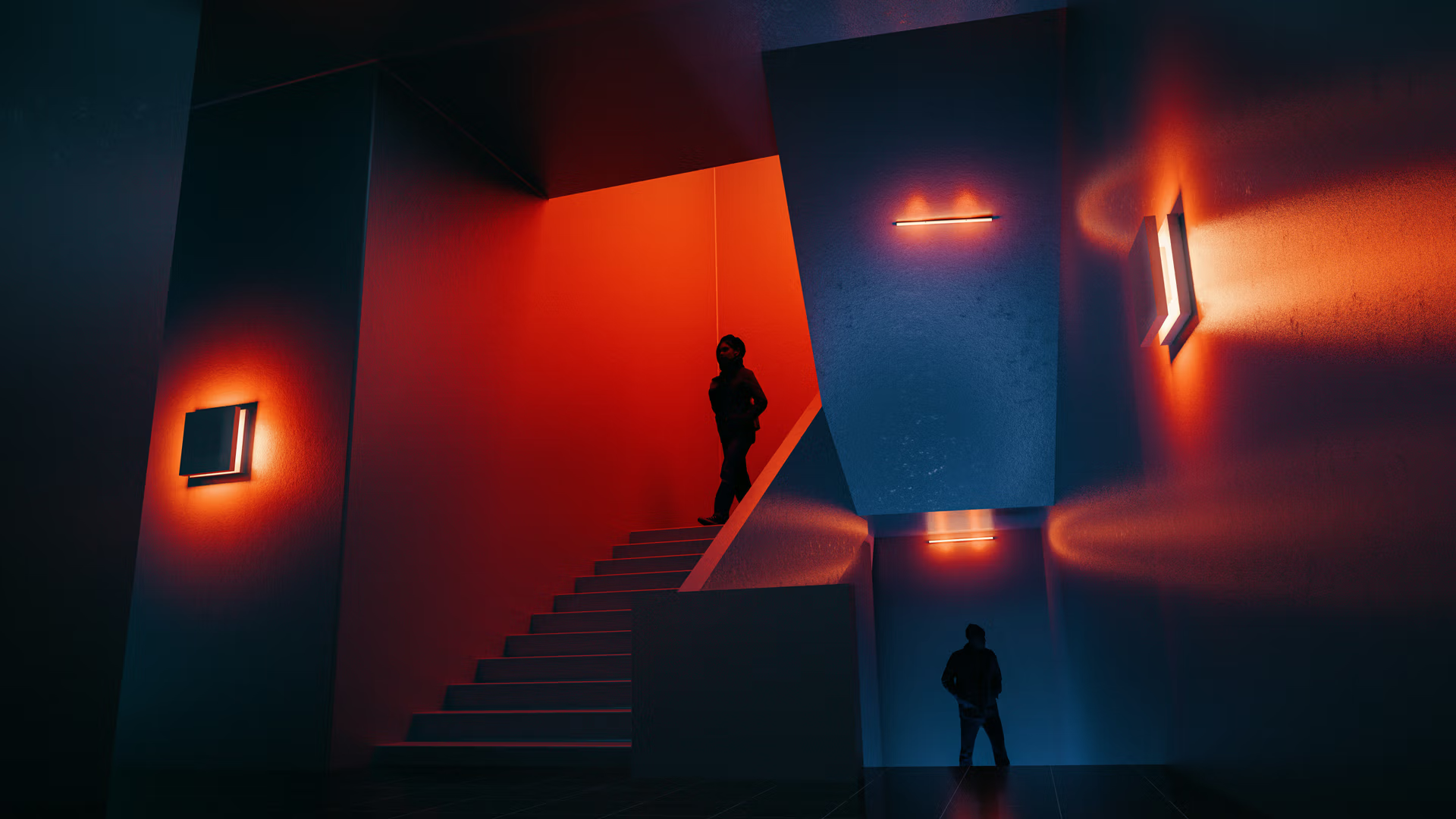
The real estate industry is evolving rapidly, driven by digital-first buyer behavior and global property investment. Today’s buyers expect more than static images and floor plans—they want immersive, interactive experiences that help them visualize a space before ever visiting it in person.
This shift has made Virtual Walkthroughs one of the most powerful tools in modern real estate marketing. Powered by architectural rendering, 3D architectural visualization, and 3D walkthrough animation, virtual walkthroughs are redefining how properties are showcased and sold worldwide.
The Changing Expectations of Global Property Buyers
With international buyers, NRI investors, and remote decision-makers becoming the norm, physical site visits are no longer always possible. Buyers now expect:
- Clear spatial understanding
- Realistic material and lighting representation
- The ability to explore properties remotely
- Confidence before making high-value decisions
This is where virtual house tours and 3D virtual house tours outperform traditional marketing assets.
What Are Virtual Walkthroughs in Real Estate?
Virtual walkthroughs are immersive digital experiences that allow users to navigate a property in a realistic, room-by-room manner. These experiences are created using advanced 3D architectural rendering and animation techniques.
They commonly include:
- 3D walkthrough animation
- Interactive virtual house tours
- 360 video for real estate
- Cinematic walkthrough videos for marketing campaigns
A professional 3D architectural rendering studio combines design accuracy with storytelling to create visually compelling walkthroughs that feel close to a real-life visit.
Why Virtual Walkthroughs Are Now Essential
1. Stronger Buyer Engagement
Listings with virtual walkthroughs consistently see higher engagement rates than those with static images. Buyers spend more time exploring properties through walkthrough videos, leading to better-qualified inquiries.
Interactive visuals help buyers emotionally connect with a space—an essential factor in real estate decision-making.
2. Faster Sales and Shorter Decision Cycles
By using 3D virtual house tours, developers and agents can pre-qualify buyers. Prospects who reach out after experiencing a walkthrough already understand the layout, scale, and flow of the property.
This results in:
- Faster closing timelines
- Fewer site visits
- Reduced sales friction
3. Perfect for Global and Remote Buyers
For international investors and overseas buyers, virtual house tours eliminate geographical barriers. High-quality 3D architectural visualization allows them to explore properties from anywhere in the world with confidence.
This is especially valuable for:
- Luxury residences
- Commercial real estate
- Large-scale residential developments
4. Better Visualization of Unbuilt or Under-Construction Projects
One of the biggest advantages of architectural rendering is the ability to market properties before construction is complete.
Using 3D walkthrough animation, developers can showcase:
- Future interiors and exteriors
- Landscape design and amenities
- Lighting conditions at different times of day
This helps secure early bookings and investor interest long before project completion.
5. Cinematic Storytelling for Real Estate Brands
Modern real estate marketing is not just about selling space—it’s about selling a lifestyle.
Professionally produced walkthrough videos combine camera movement, lighting, and music to create an emotional narrative. When paired with 360 video for real estate, buyers gain both cinematic appeal and interactive freedom.
This elevates brand perception and positions developers as premium, forward-thinking players.
Virtual Walkthroughs vs Traditional Property Marketing
| Feature | Traditional Photos | Virtual Walkthroughs |
| Buyer Engagement | Low | High |
| Spatial Understanding | Limited | Immersive |
| Remote Accessibility | Poor | Excellent |
| Pre-Launch Marketing | Not Possible | Highly Effective |
| Global Reach | Restricted | Unlimited |
Role of a 3D Architectural Rendering Studio
A professional 3D architectural rendering studio ensures that walkthroughs are not only visually impressive but also technically accurate. This includes:
- Precise scale and proportions
- Realistic materials and textures
- Natural lighting simulation
- Smooth camera paths and transitions
- Integration of 3D product rendering services for furniture, decor, lighting fixtures, and branded assets
High-end 3D architectural visualization builds trust and credibility—critical factors in high-value real estate transactions.
Why 360 Video for Real Estate Is Gaining Popularity
360 video for real estate allows buyers to control their viewing direction, creating a sense of presence inside the property. When combined with virtual walkthroughs, it offers a hybrid experience—guided yet interactive.
This format is especially effective for:
- Property portals
- Social media campaigns
- VR-enabled presentations
The Future of Real Estate Marketing Is Immersive
As competition increases and buyer attention spans shorten, immersive visual content is no longer optional. Virtual walkthroughs, 3D walkthrough animation, and 3D virtual house tours are becoming standard expectations in global real estate marketing.
Developers and agencies that invest in high-quality architectural rendering today position themselves ahead of the market tomorrow.
Final Thoughts
Virtual walkthroughs have transformed how real estate is marketed, experienced, and sold. By combining 3D architectural visualization, cinematic storytelling, and interactive technology, they empower buyers to make confident decisions—anytime, anywhere.
For real estate brands targeting a global audience, virtual walkthroughs are no longer a luxury—they are a necessity.